Community infrastructure
Delivering local needs and priorities
We understand the importance of ensuring that new homes are supported by the right infrastructure. We want to reassure the community that investing in the local area and its facilities is a key part of our proposals and we want to ensure that this development benefits both new and existing residents. Below we have outlined a clear step-by-step guide to how this will be addressed.
We have already begun speaking to key local stakeholders, such as the Parish Council, to understand key local concerns and requirements, and are using this feedback to improve our proposals.

Key benefits
Investing in the future of Baston
Our draft plans include:
- Around 280 new homes in a range of sizes and tenures.
- 30% (84) of the homes will be affordable housing, meeting local need.
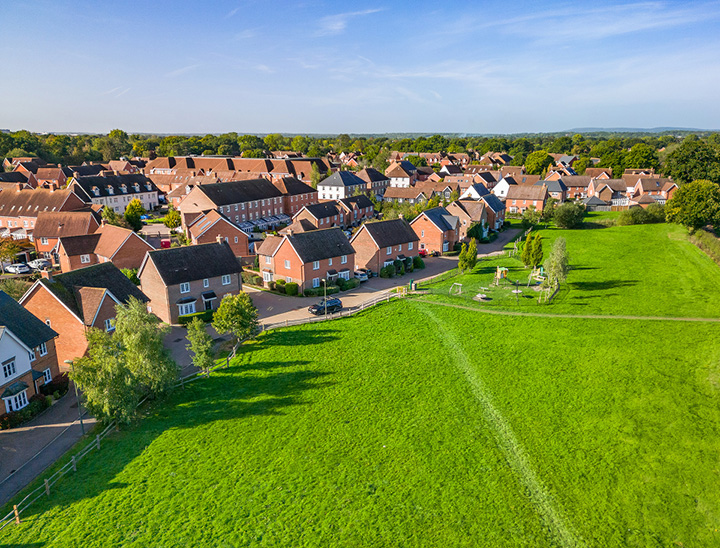
- Up to 18 acres of open space (approximately 48% of the whole site) that could include a community green, allotments, orchards, play areas and biodiversity.
- Retention and enhancement of the northern Public Right of Way providing connectivity to the wider area for access and recreation.
- Improvements to walking and cycling routes to provide access to the village’s existing service, facilities and amenities such as Brudenell Playing Fields and Baston Primary School.
- Investment in local highways infrastructure such as new crossing points and dropped kerbs to improve access towards existing facilities such as the local school.
- A shared car club for all new and existing residents.
- Financial contributions towards local infrastructure such as schools, doctors community buildings, sports facilities and libraries.

Step-by-step guide
Implementing community infrastructure
Step 1: Assessing infrastructure needs
Before we submit a planning application we will conduct thorough assessments of local infrastructure in and around Baston. This includes looking at local roads, as well as education, healthcare and utilities. This will help us to understand any existing challenges and pressure points and get a better picture of local needs. We have already begun speaking to key local stakeholders, such as the Parish Council, to understand key local concerns and requirements, and are using these to improve our proposals.
Step 2: Agreeing on infrastructure improvements
Following our initial research, we will work closely with South Kesteven District Council, the Parish Council and service providers to agree the necessary improvements. Some of the ways we could address this include:
- Providing funding to local services
This could include funding towards the expansion of local schools and healthcare services in order to ensure that they are able to support the additional impact arising from our scheme. The nature of this investment would be guided by advice from these organisations to ensure maximum effectiveness. - Improving transport links
Though the site is well-connected with the surrounding area benefiting from existing pedestrian infrastructure, we could enhance provision in order to make walking and cycling more attractive. This may involve methods such as making improvements to existing pedestrian crossings or adding new ones along key routes for example towards the existing playfields and primary school. We could also work with public transport providers to improve bus services. - Enhancing open spaces
The development could provide funding to improve existing green spaces or identify land onsite in order to create new recreation space for the local community. Options could include new allotments, a community orchard, or play space for local families.
Step 3: Submitting the application
With a clear understanding of the required infrastructure improvements, we will submit a planning application to South Kesteven District Council. This application will detail how we plan to address infrastructure needs.
Step 4: Planning review and decision
Once we submit our application, South Kesteven District Council will review our application and our proposals for investment in local infrastructure.
They will also seek input from relevant bodies, such as the NHS, National Highways and local education providers, to ensure all relevant considerations are properly addressed. Should the council or statutory consultees require any changes to the proposals, these will be discussed and agreed upon before proceeding.
Step 5: Implementing infrastructure improvements
Any approved plans will come with legally binding agreements on infrastructure funding, ensuring that this is provided where it is needed. The planning permission will set out clear trigger points for this funding, ensuring that vital local infrastructure improvements are made in a timely manner, directly benefiting the community as the development progresses.